What Is ABA Therapy?
ABA therapy, or Applied Behavior Analysis, helps children build communication, social, and daily living skills through positive, evidence-based strategies. Learn what ABA therapy is, how it works, and whether it may be right for your child.
If you are a parent exploring therapy options for your child, you may have heard the term ABA therapy and wondered what it actually means. ABA stands for Applied Behavior Analysis, and while the name sounds technical, the idea behind it is very practical and child-focused.
At its core, ABA therapy is an evidence-based approach that helps children learn useful skills and reduce behaviors that may interfere with learning, safety, or daily life. ABA is most commonly associated with supporting children with autism, but it can also be helpful for children with other developmental or behavioral challenges.
ABA therapy is built on decades of research about how people learn. It focuses on understanding why behaviors happen and using that information to teach new skills in a positive, supportive way.
What Does “Applied Behavior Analysis” Mean?
Breaking down the name can make it easier to understand:
- Applied means the skills being taught are practical and meaningful for everyday life.
- Behavior refers to actions we can see and measure, such as communicating needs, following directions, or managing frustration.
- Analysis means carefully observing what helps a child learn best and adjusting strategies as the child grows.
In simple terms, ABA therapy helps children learn new skills by understanding how their environment, routines, and interactions influence behavior.
How ABA Therapy Works
ABA therapy always starts with a thorough assessment. A Board Certified Behavior Analyst, often called a BCBA, meets with your child and family to understand your child’s strengths, needs, interests, and current skill level. A BCBA is a highly trained professional who designs and oversees ABA programs.
Based on this assessment, the BCBA creates an individualized treatment plan with clear, measurable goals. These goals focus on communication, social skills, daily living skills, emotional regulation, or reducing behaviors that may be unsafe or disruptive.
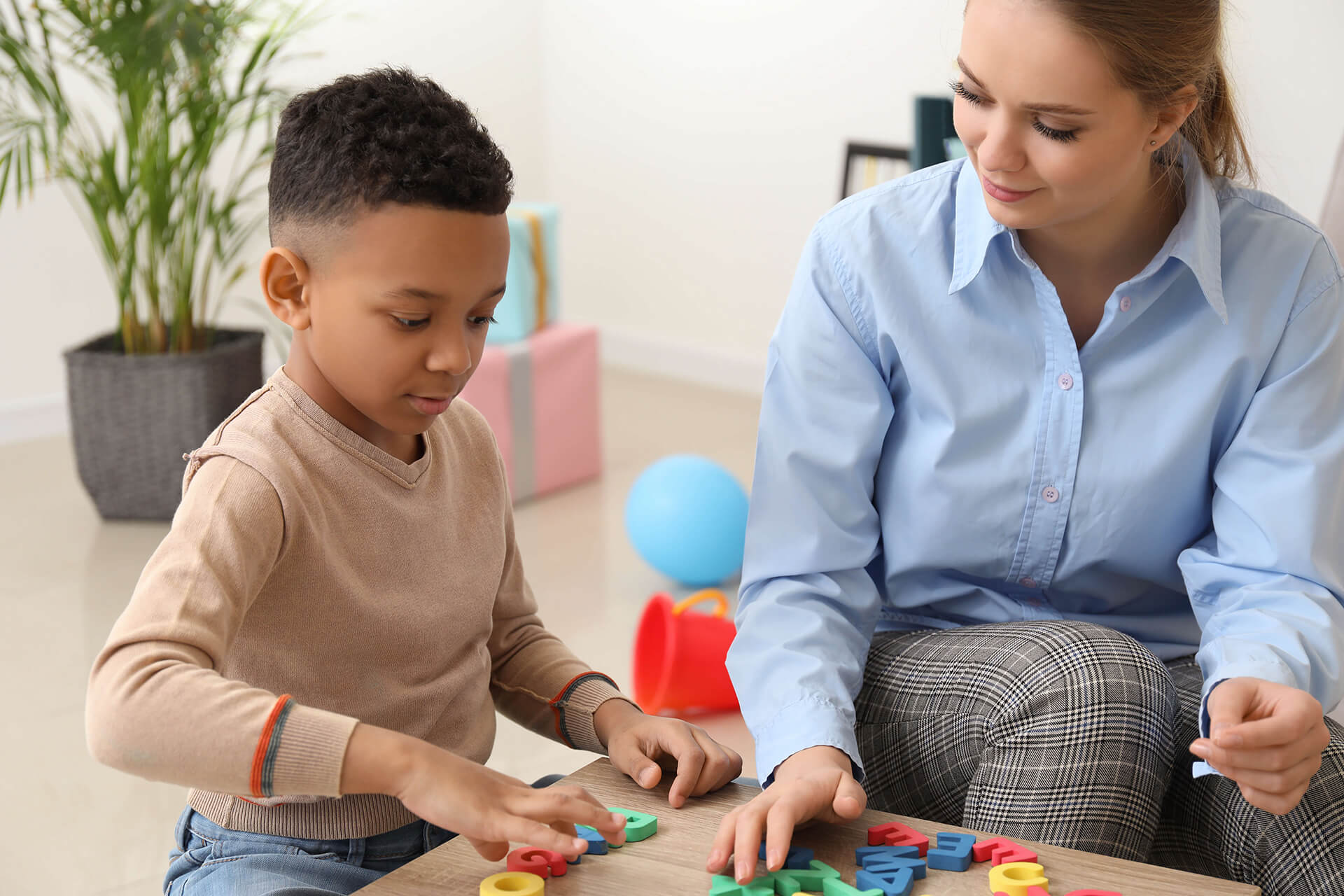
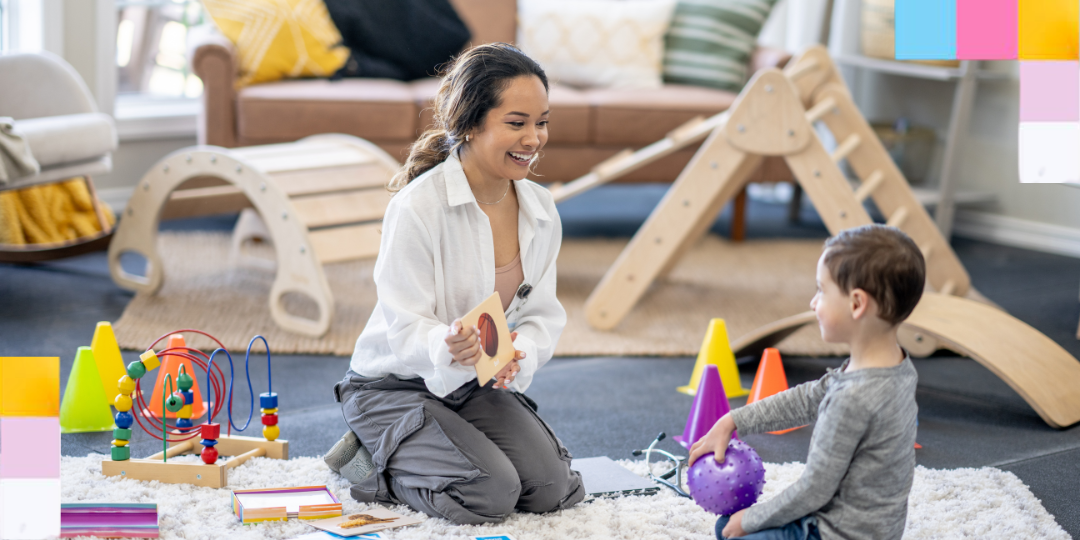
Therapy sessions are typically led by trained therapists under the supervision of the BCBA. Learning happens through structured activities, play, and real-life routines. Skills are broken down into manageable steps so children can experience success and build confidence.
The Role of Positive Reinforcement
One of the most important principles in ABA therapy is positive reinforcement. This means that when a child uses a helpful or desired behavior, they receive something positive in response. That might be praise, access to a favorite toy, extra playtime, or another meaningful reward.
Positive reinforcement helps children understand which behaviors are useful and encourages them to use those behaviors more often. Modern ABA therapy does not rely on punishment. Instead, it focuses on teaching functional alternatives and supporting long-term learning.
What Skills Can ABA Therapy Help With?
ABA therapy is highly individualized, but common areas of focus include:
- Communication skills, such as requesting help, expressing feelings, or using words, signs, or devices
- Social skills, including turn-taking, playing with peers, and understanding social cues
- Daily living skills, like dressing, brushing teeth, and following routines
- Learning and attention skills, such as following instructions and completing tasks
- Emotional regulation, including coping with frustration and transitions
The goal is not to change who a child is, but to give them tools that increase independence and quality of life.
When Should a Child Start ABA Therapy?
Many children begin ABA therapy in early childhood, often between the ages of two and six, when the brain is exceptionally adaptable. That said, ABA therapy can be helpful at many ages. The right time to start depends on your child’s needs and your family’s goals.
ABA therapy programs also vary in intensity. Some children receive several hours per week, while others benefit from more comprehensive support. A qualified BCBA helps determine what is appropriate and adjusts the plan as progress is made.
A Modern, Child-Centered Approach
ABA therapy has evolved significantly over the years. Today’s best programs are play-based, collaborative, and respectful of each child’s individuality. Families are active partners in the process, and skills are taught in ways that feel natural and meaningful.
At its best, ABA therapy is about helping children gain skills that allow them to communicate, connect, and participate more fully in their world.
Final Thoughts for Parents
If you are considering ABA therapy, it is normal to feel overwhelmed or unsure where to start. Asking questions, learning the basics, and finding a provider who shares your values can make all the difference.
ABA therapy is not about forcing children to be someone they are not. It is about understanding how they learn and supporting them with patience, compassion, and evidence-based care.
At Kids First Services, we believe in seeing the child first and building on their strengths. Our goal is to partner with families to help children grow with confidence, independence, and joy.